


Industrial Heat Pump Seminar: Efficient Boiler Replacement Solution
Share:





KARAWANG, February 4, 2026 – PT Daikin Applied Solutions Indonesia (DASI) held a seminar discussing heat pump technology as an alternative to conventional industrial heating systems (boilers). The event aimed to provide participants with practical understanding of the working principles, energy efficiency opportunities, and potential operational cost savings through technical explanations and implementation case studies.
The seminar featured two industry practitioners: M. Syarif, DASI Academy Curriculum Manager, and Niko Chayadi, Assistant Manager Solutions, who presented both theoretical concepts and real-world applications.

In the opening session, M. Syarif explained the general concept and operating principle of heat pump systems. A heat pump transfers thermal energy from low-temperature sources such as ambient air, water, or waste heat from industrial processes, then raises the temperature so it can be utilized for industrial applications. These applications include process water heating, Clean in Place (CIP), and drying processes.
Unlike boilers that generate heat through fuel combustion, heat pumps use electrical energy to drive a refrigeration cycle. Through this heat transfer mechanism, the thermal energy produced can be several times higher than the electrical energy consumed. This allows industries to reduce fossil fuel usage while maintaining process heating performance.
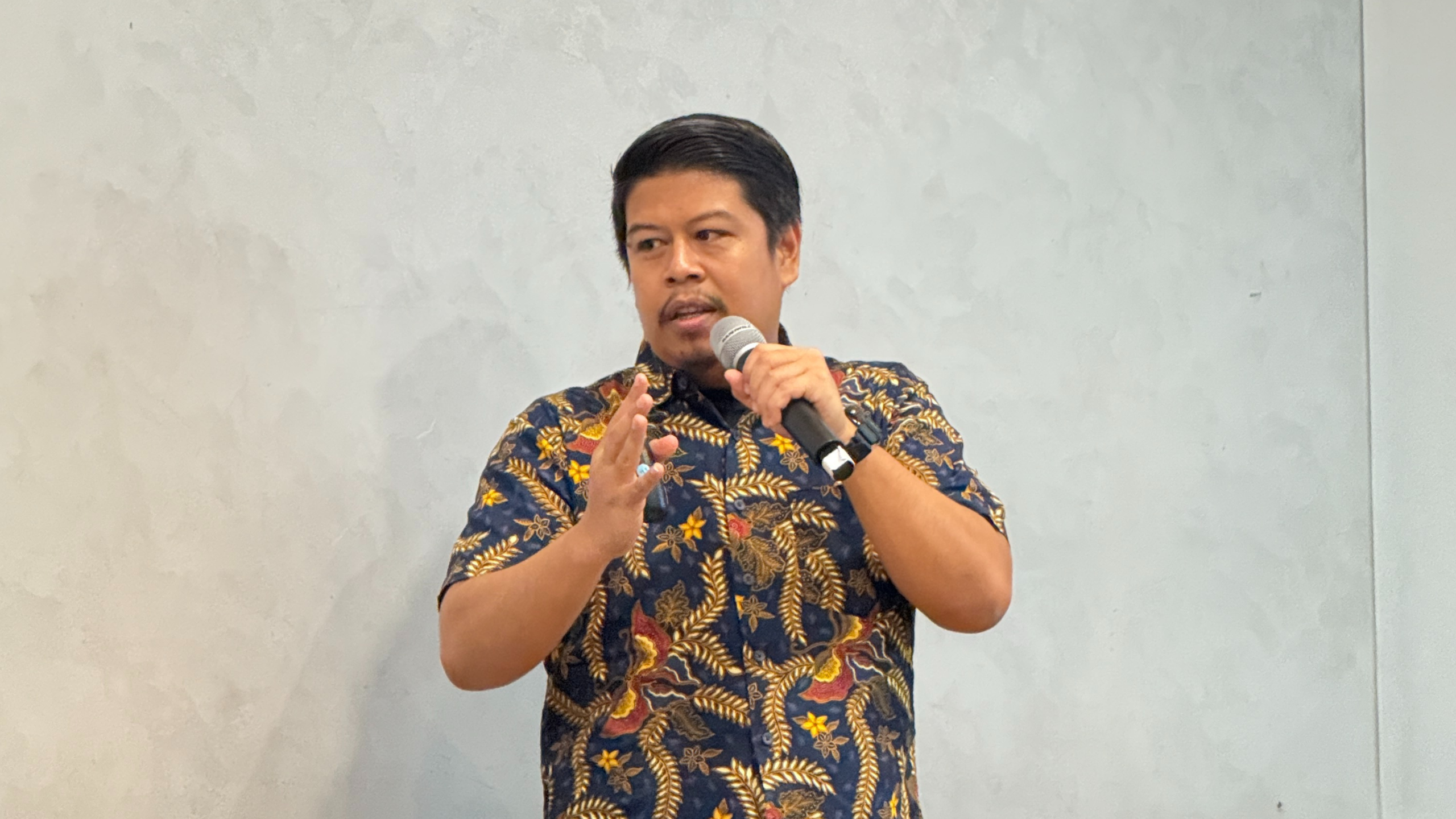
In the following session, Niko Chayadi presented field implementation case studies. Participants were introduced to facilities that previously relied on boiler systems and later transitioned to heat pump technology. The implementation showed reduced energy consumption and lower operational costs due to significantly decreased fuel usage. In addition, process temperature stability improved, helping maintain consistent product quality.
The case studies provided participants with practical insights into planning considerations, technical requirements, and operational benefits achievable through heat pump adoption.
Beyond technical discussions, the seminar also addressed market trends and energy efficiency policies encouraging industries to adopt low-emission technologies. Heat pump systems are considered supportive of industrial decarbonization efforts because they produce lower emissions than conventional heating systems while improving energy management performance.
The session concluded with an interactive discussion and Q&A regarding potential applications across various industrial sectors. Participants gained further understanding of heat pump technology as a more energy-efficient and sustainable heating solution.
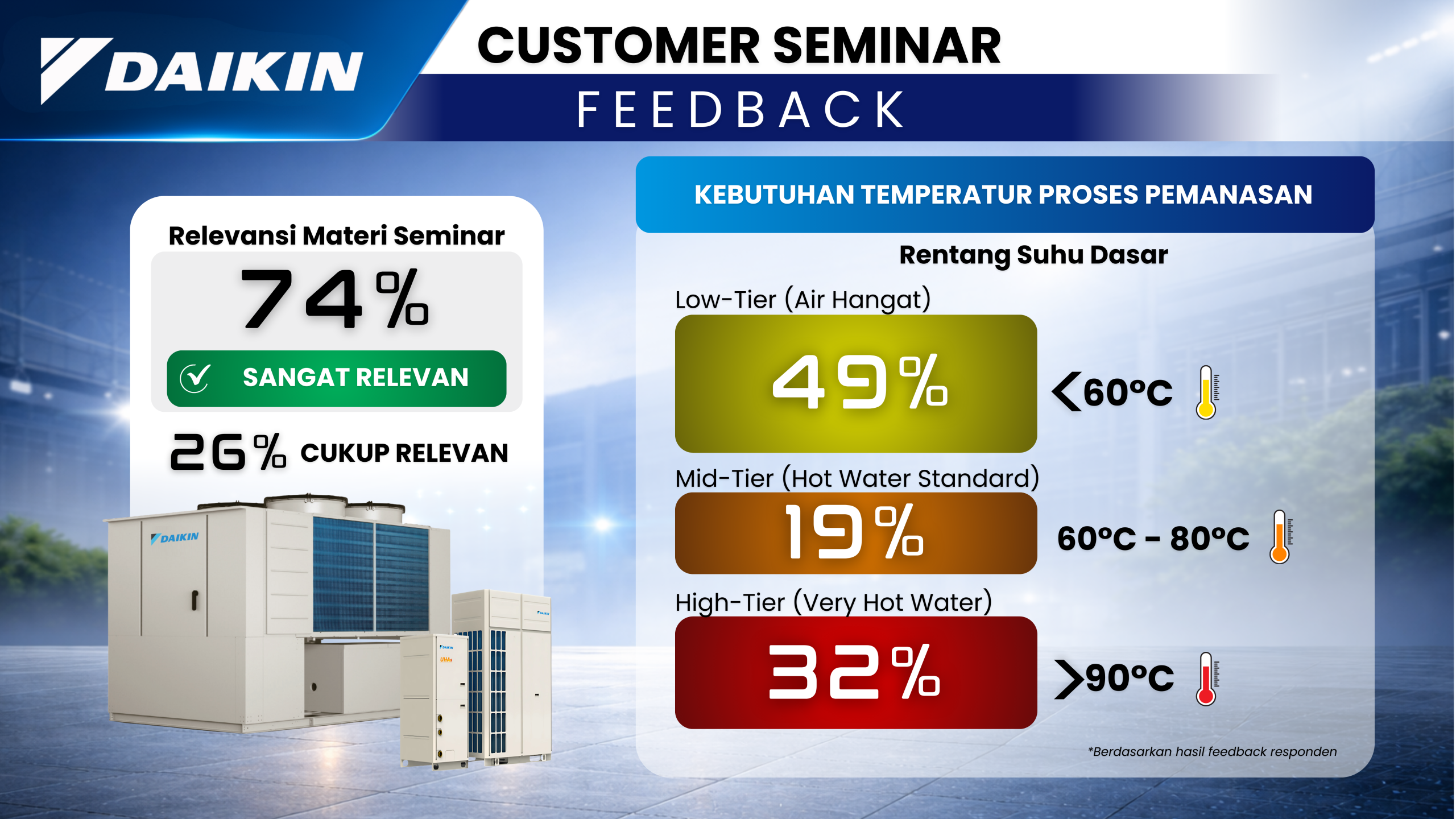
Based on participant feedback, 74 percent rated the seminar material as “highly relevant” to their company’s needs, while the remaining 26 percent considered it “relevant.”
Survey results also showed varied process heating temperature requirements. Approximately 49 percent of participants require temperatures below 60°C, 19 percent require temperatures between 60–80°C, and 32 percent require temperatures above 90°C.
PT Daikin Applied Solutions Indonesia expressed appreciation to all speakers and participants for their active participation in the seminar.
Share:
Related Articles
25 Jul 2026
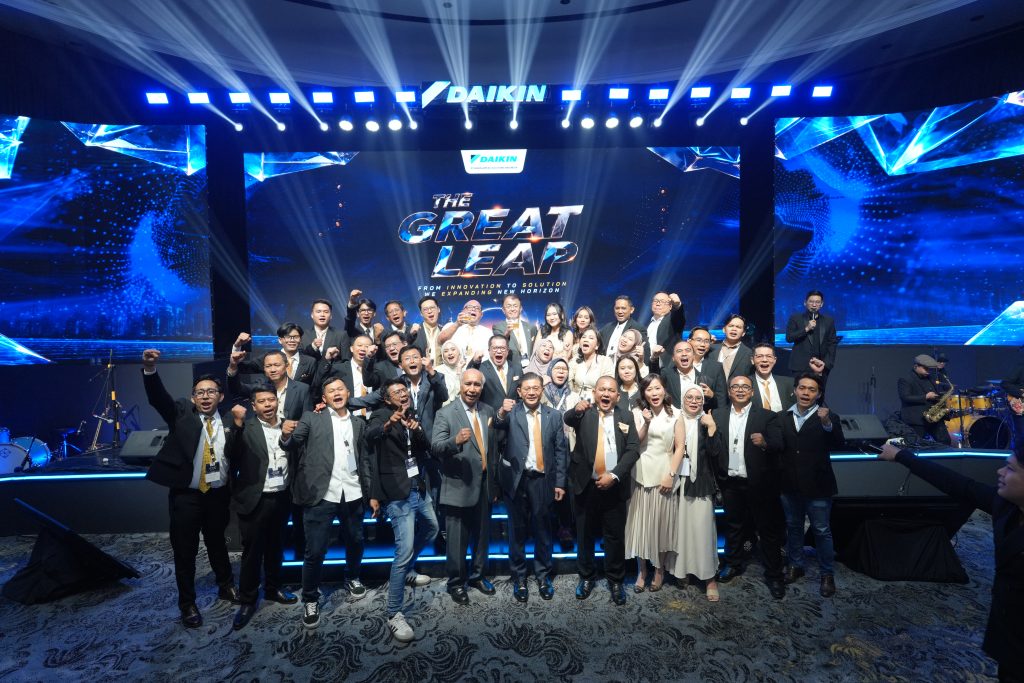
Dealer Gathering DASI 2026: The Great Leap
Jakarta, July 24, 2026 – PT Daikin Applied Solutions Indonesia (DASI) once again hosted Dealer Gathe...

26 Jun 2026
DASI Holds Seminar on Industrial Decarbonization and Heat Pump Technology to Support Indonesia's Energy Transition
CIKARANG, June 25, 2026 – PT Daikin Applied Solutions Indonesia (DASI) hosted a seminar titled "Enha...
13 Mar 2026
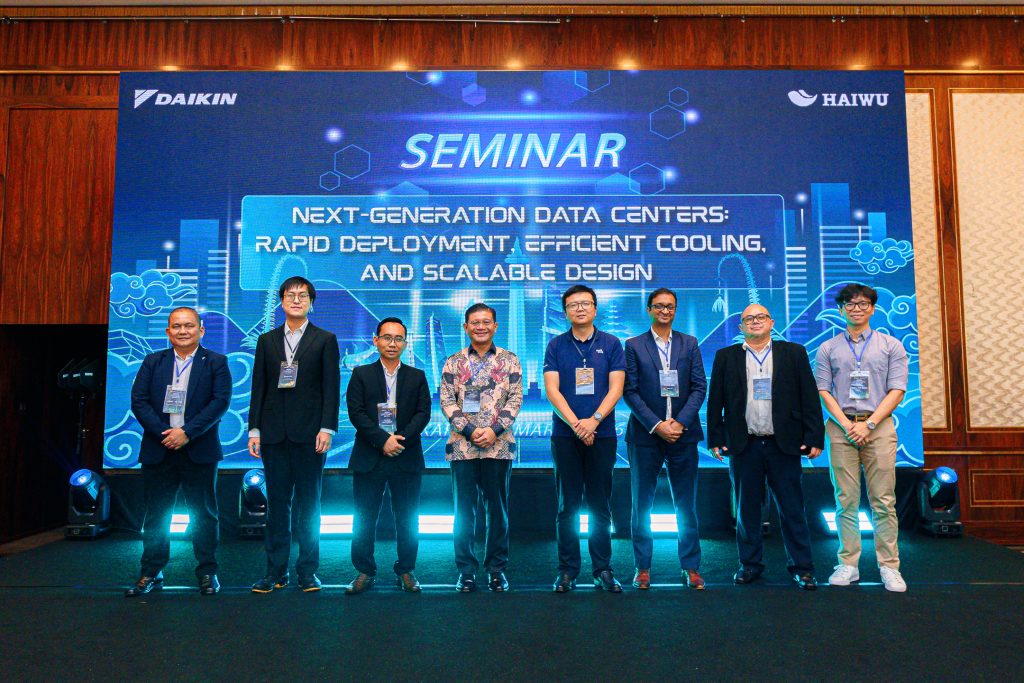
PT Daikin Applied Solutions Indonesia hosted a seminar on next-generation data centers, focusing on efficient cooling and scalable design strategies.
Jakarta, March 12th 2026 - PT Daikin Applied Solutions Indonesia hosted a seminar titled “Next-Gener...

13 Nov 2025
Daikin Presents a Seminar on Modern Hospital Cooling Systems for Efficiency, Reliability, and Hygienic Environments
PT Daikin Applied Solutions Indonesia held a seminar titled “Efficiency and Reliability Solutions fo...


