


DASI Holds Seminar on Industrial Decarbonization and Heat Pump Technology to Support Indonesia’s Energy Transition
Share:





CIKARANG, June 25, 2026 – PT Daikin Applied Solutions Indonesia (DASI) hosted a seminar titled “Enhancing Energy Efficiency and Reducing Industrial Operating Costs through Mini Chiller and Heat Pump Technology” as part of the company’s commitment to supporting Indonesia’s energy transition and industrial decarbonization. The event brought together industry professionals, consultants, contractors, and facility owners to explore innovative solutions for improving energy efficiency while reducing operational costs through the adoption of advanced HVAC technologies.
The seminar was organized in response to the growing demand for energy efficiency and the increasing pressure on industries to reduce carbon emissions. As businesses pursue decarbonization goals and sustainability initiatives, companies are expected not only to improve productivity but also to optimize energy consumption by adopting cleaner and more efficient technologies. In this context, mini chillers and heat pumps have emerged as practical solutions for supporting sustainable industrial operations.

The technical session began with M. Syarif, DASI Academy Curriculum Manager, who presented the implementation of heat pump technology for various commercial and industrial heating applications. He explained that heat pumps are capable of producing hot water at temperatures of up to 90°C, making them suitable for a wide range of industrial processes. He also highlighted the role of waste heat recovery, which enables unused thermal energy to be recovered and reused, improving overall energy efficiency while helping reduce carbon emissions.

The next presentation was delivered by Niko Chayadi, Assistant Manager Solutions, who discussed the importance of balancing Capital Expenditure (CAPEX) and Operational Expenditure (OPEX) when investing in heating technologies. He emphasized that investment decisions should not be based solely on initial equipment costs but should also consider long-term operating efficiency. Compared with conventional heating systems, electric heat pumps offer significantly higher energy efficiency, resulting in lower operating costs over their lifecycle while supporting industrial decarbonization objectives.
During the discussion session, participants also learned how heat pumps operate by transferring thermal energy from one medium to another rather than generating heat through combustion. This operating principle enables substantially lower energy consumption than conventional heating systems, allowing companies to improve process efficiency, reduce operating expenses, and lower carbon emissions without compromising system performance.
The seminar also highlighted how heat pump technology contributes to corporate sustainability by reducing energy consumption, supporting compliance with environmental regulations, and strengthening the implementation of Environmental, Social, and Governance (ESG) principles. As a result, heat pumps are increasingly recognized not only as an efficient heating solution but also as a strategic investment that enhances business competitiveness while accelerating the transition toward more sustainable industrial operations.
Participants showed strong enthusiasm throughout the seminar, actively engaging in both the presentations and interactive discussion sessions. Feedback from attendees indicated that the topics presented were highly relevant to current industry challenges and provided practical insights into the implementation of mini chiller and heat pump technologies to improve energy efficiency and operational performance.

Through this seminar, PT Daikin Applied Solutions Indonesia reaffirmed its commitment to delivering innovative HVAC solutions while serving as a trusted partner in Indonesia’s energy transition. DASI hopes that continued collaboration among technology providers, industry stakeholders, and businesses will accelerate the development of a greener, more energy-efficient, and globally competitive industrial sector.
Share:
Related Articles
25 Jul 2026
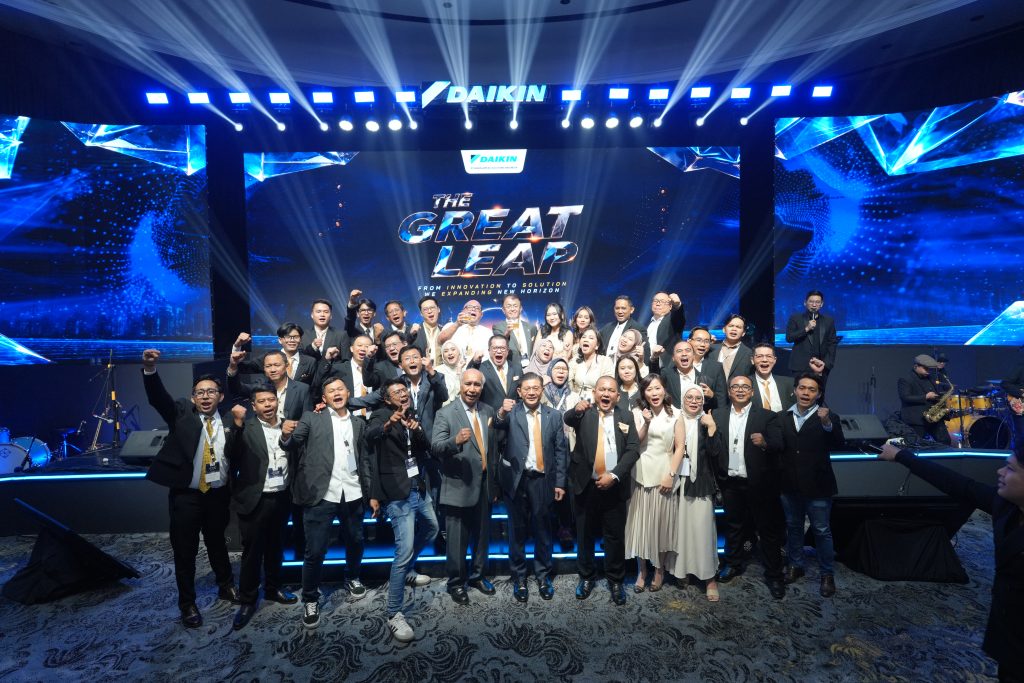
Dealer Gathering DASI 2026: The Great Leap
Jakarta, July 24, 2026 – PT Daikin Applied Solutions Indonesia (DASI) once again hosted Dealer Gathe...
13 Mar 2026
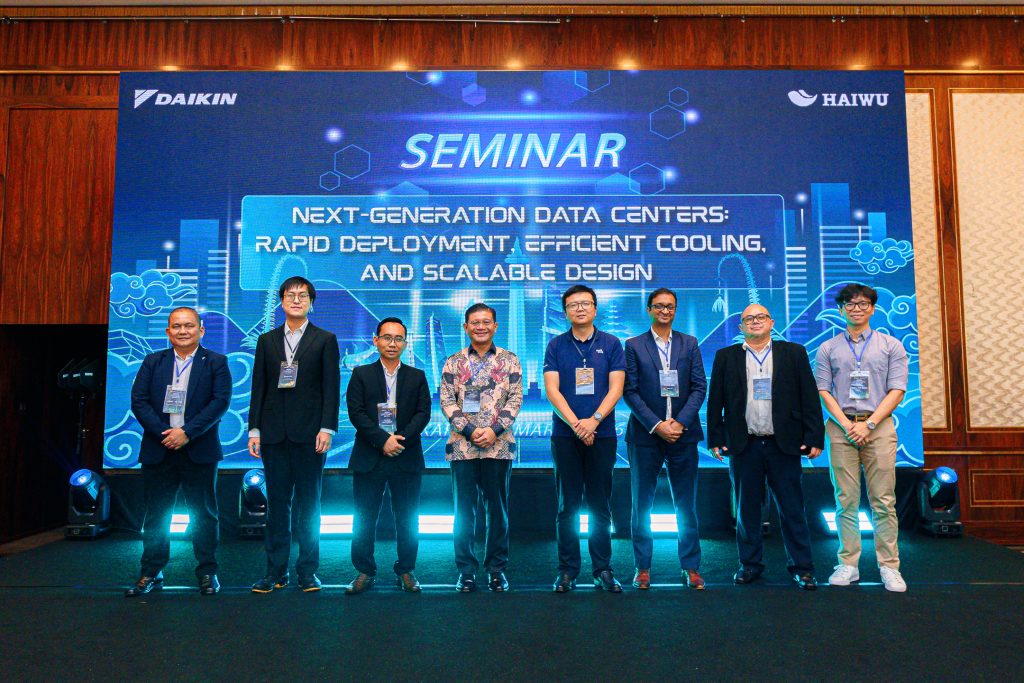
PT Daikin Applied Solutions Indonesia hosted a seminar on next-generation data centers, focusing on efficient cooling and scalable design strategies.
Jakarta, March 12th 2026 - PT Daikin Applied Solutions Indonesia hosted a seminar titled “Next-Gener...

05 Feb 2026
Industrial Heat Pump Seminar: Efficient Boiler Replacement Solution
KARAWANG, February 4, 2026 - PT Daikin Applied Solutions Indonesia (DASI) held a seminar discussing...

13 Nov 2025
Daikin Presents a Seminar on Modern Hospital Cooling Systems for Efficiency, Reliability, and Hygienic Environments
PT Daikin Applied Solutions Indonesia held a seminar titled “Efficiency and Reliability Solutions fo...


